The Role of Sportsmanship in Youth Soccer: Teaching Life Lessons
Youth soccer is a dynamic arena not just for developing athletic skills but also for cultivating essential life qualities. In this post, we explore the profound impact of sportsmanship in youth soccer, emphasizing its role in shaping character, instilling
Published on 06/22/2026
Respecting Opponents and Teammates:
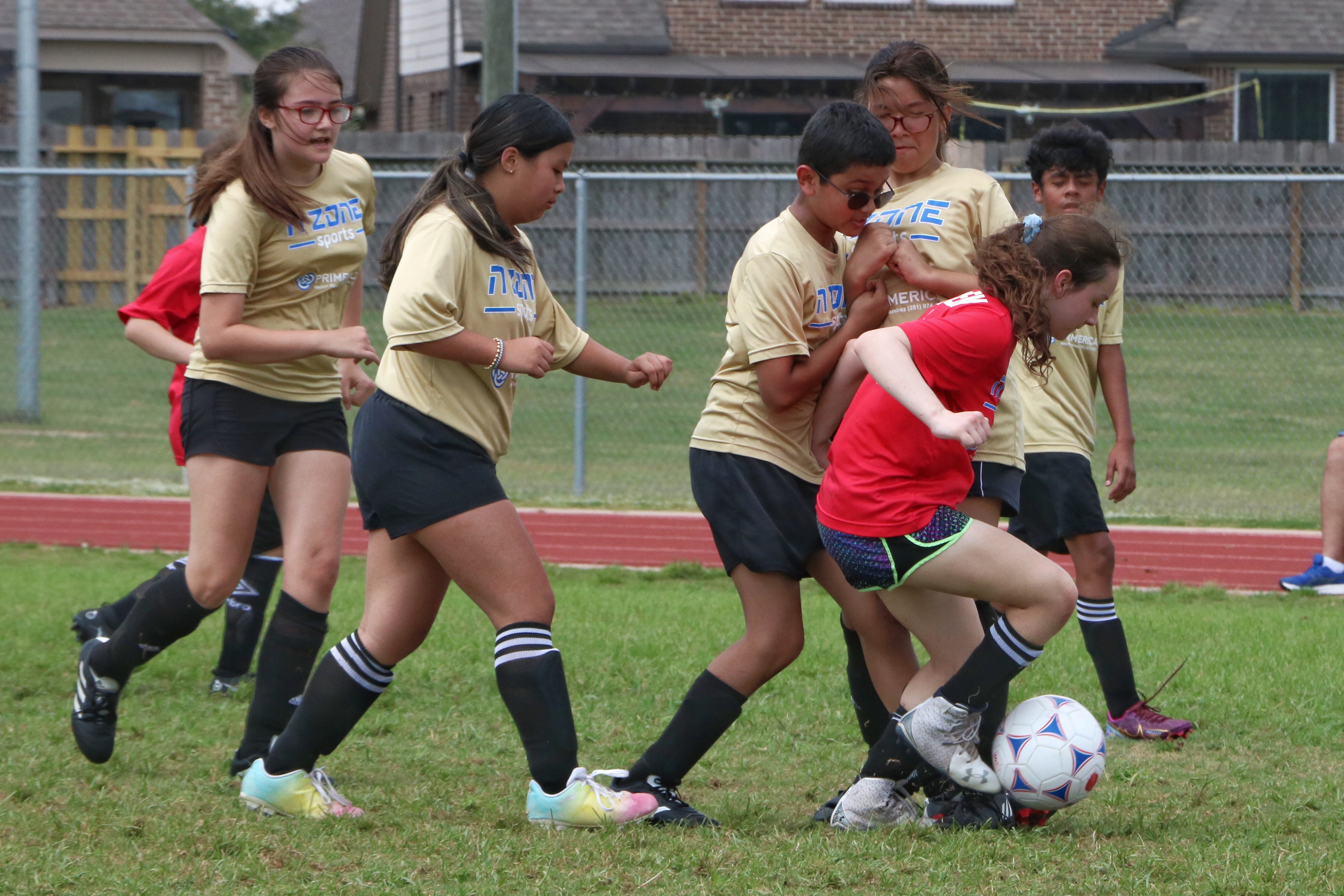
At the heart of sportsmanship lies the respect players demonstrate toward both opponents and teammates. Whether celebrating a goal together or facing a tough match, youth soccer teaches young athletes to value and honor the efforts of others.
Grace in Victory and Defeat:
Learning to handle victory with humility and defeat with grace is a crucial aspect of sportsmanship. Youth soccer provides a platform for children to experience both outcomes and understand the importance of maintaining composure in every situation.
Embracing Fair Play:
Fair play is a cornerstone of sportsmanship. Youth soccer encourages players to compete with integrity, emphasizing the importance of honesty, respect for rules, and adherence to ethical standards on and off the field.
Encouraging Positive Communication:
Effective communication is vital in soccer, and youth players learn to express themselves positively. Whether it's offering encouragement to a teammate, acknowledging opponents, or communicating with coaches, players develop valuable interpersonal skills.